
One Year After the Halving: A Stronger Bitcoin Backbone

A little over one year has passed since the most recent Bitcoin halving, and while public attention often gravitates toward market movements and price speculation, the real story is far more substantial. The 2024 halving acted as a litmus test for the Bitcoin mining industry, and the results speak for themselves. Miners didn’t just endure it. They adapted, evolved, and set a new standard for operational excellence and innovation.

On April 19, 2024, the block reward dropped from 6.25 BTC to 3.125 BTC, cutting miner revenue in half overnight. Historically, such events are seen as inflection points: moments when only the strongest operations can endure. This time, however, the network didn’t flinch. Hashrate continued to rise, today standing at over 980 EH/s and cementing Bitcoin’s position as the most secure decentralized financial system in existence. Block times stayed on target. Difficulty adjustments proceeded as expected. The global mining community passed the stress test – remaining not just intact, but coming out stronger.

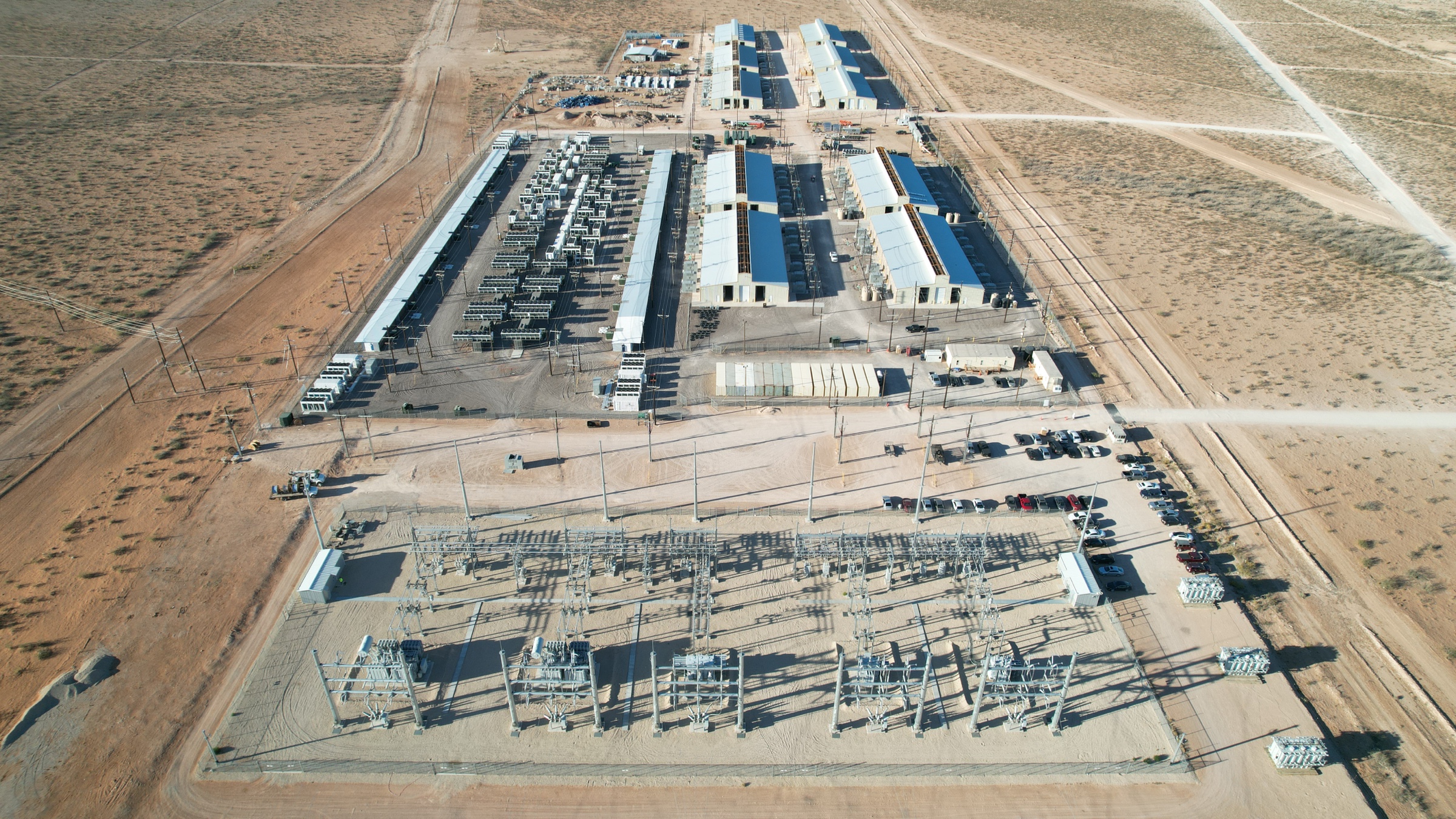
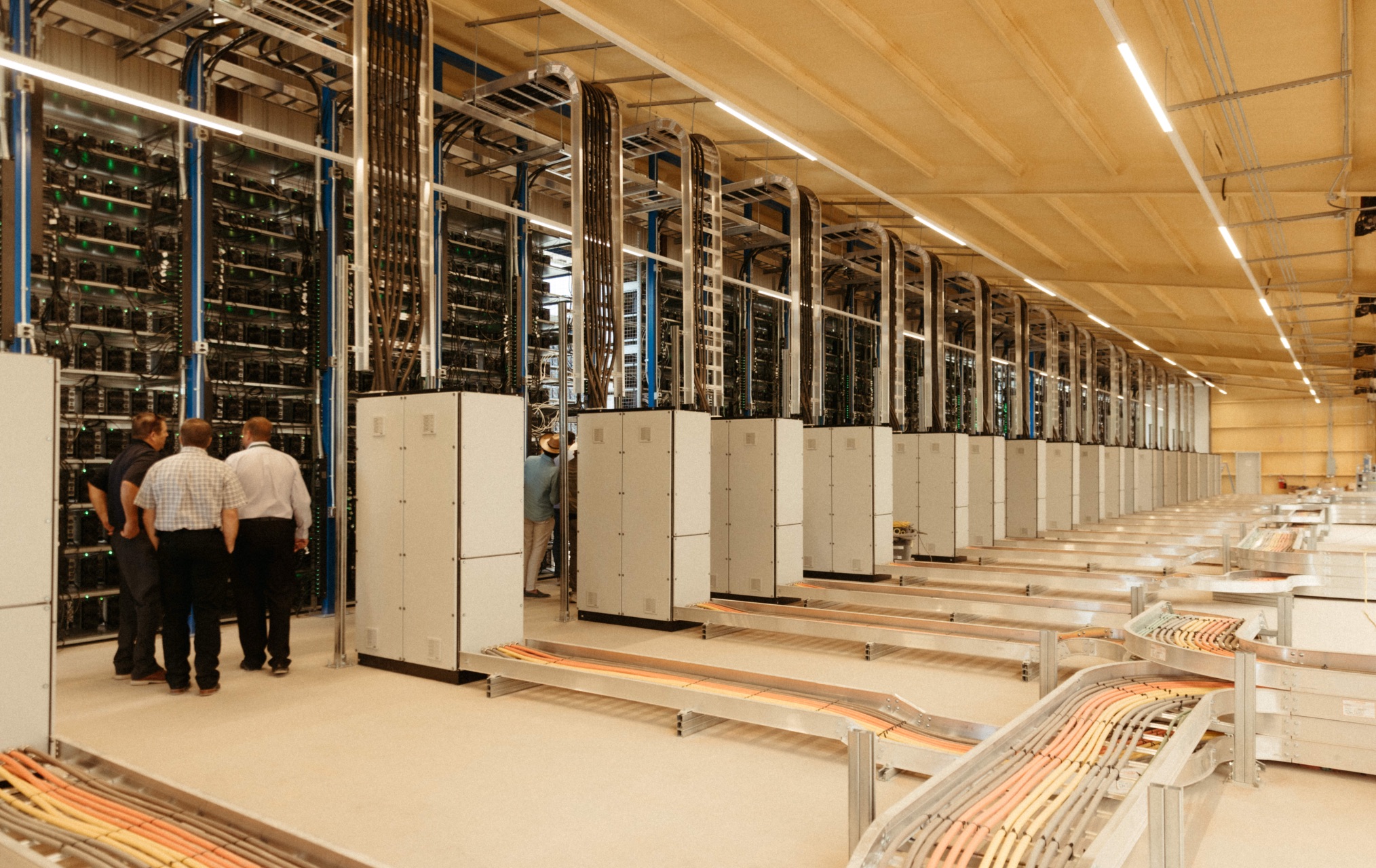
Over the past year, miners have transformed how they work not through flashy announcements, but through disciplined execution. One of the clearest signs of this transformation is the evolution from reactive management to proactive systems engineering. Mining facilities today resemble high-tech manufacturing plants more than simple server farms. These operational gains proved essential to sustaining and strengthening the industry. But in rising to meet the challenge, miners laid the foundation for a more mature, sustainable, and technologically advanced industry.
Africa’s mining footprint is growing rapidly as well. From 1.5% in early 2023 to 3% by the end of 2024, the continent’s contribution to global hashrate has doubled, powered almost entirely by renewables. Ethiopia, in particular, stands out for leveraging untapped hydropower to drive sustainable growth. In many regions, mining has become a catalyst for energy development.
Perhaps the most forward-looking shift in mining over the past year has been its integration into energy infrastructure. Bitcoin mining is increasingly viewed as a dynamic asset for grid stability, not just a consumer of electricity. In Texas, miners have partnered with ERCOT to balance grid loads. When demand spikes, mining operations power down to support local energy needs. When there’s surplus generation, miners absorb the excess. This responsive model turns mining into a flexible, stabilizing force for power grids. It’s a model that’s catching on far beyond the United States. Around the world, energy producers are recognizing that Bitcoin mining can complement – not just compete with – their systems.
The 2024 halving showed the industry was not only resilient but ready to evolve. Miners around the world have invested in smarter infrastructure, sustainable power sources, and more adaptive business models. They’ve embedded themselves more deeply into the global energy economy and emerged as crucial stewards of the Bitcoin network. This is what real strength looks like. It’s not found in price charts or headlines. It’s found in uptime, in optimization, and in the quiet expansion of an industry building the foundation for the future of finance.
As we reflect on the past year, one thing is clear: the Bitcoin backbone has never been stronger.

Share this