

Bitcoin mining isn’t usually the first thing people think of when talking about a clean energy future. But when designed with flexibility and sustainability in mind, it can be a useful tool in accelerating the energy transition. At GDA, we’ve spent years building operations that do more than power Bitcoin. They support the energy grid, help renewable projects succeed, create new ones, and deliver meaningful benefits to the communities where we operate.
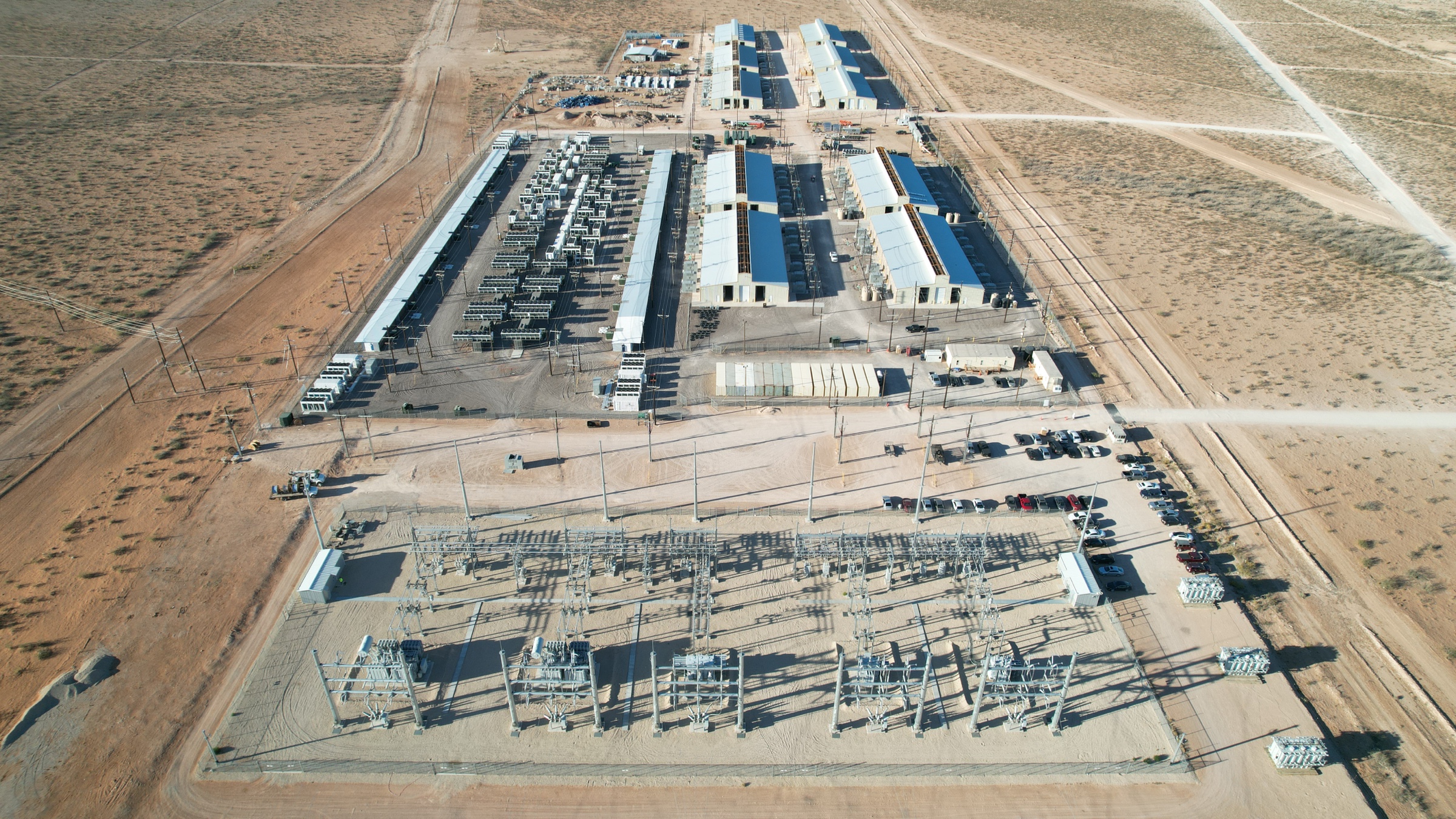
In many parts of the world, wind and solar generate more power than the grid can handle, especially during low-demand hours. That extra power often goes to waste because there’s no one around to use it. Our facilities are built to soak up that surplus. In West Texas, our Pyote flagship data center recently expanded to approximately 195 MW of sustainable, low-carbon infrastructure and is scalable up to 300 MW. By acting as a built-in buyer of excess renewable energy, it helps stabilize the grid and supports the growth of clean power projects.
What makes mining especially valuable to the grid is how fast it can respond. We can reduce our energy use in a matter of minutes if needed. That’s a big deal when demand spikes unexpectedly, like during a heatwave or a winter storm, for example. In Texas, we’ve partnered with ERCOT to do exactly that. When the grid is under pressure, we scale back so power can go where it’s needed most. It’s a simple but powerful way to help prevent blackouts and keep electricity prices stable.
Beyond the grid itself, Bitcoin mining also helps bring clean energy projects to places that might otherwise be left behind. A lot of great wind, solar, and hydro potential exists in rural or remote areas, but without a steady customer, the economics often don’t work. This is especially true for wind, which generates most of its power at night when demand is lowest. Mining operations provide a steady source of demand around the clock, helping ensure that clean energy isn’t wasted and making these projects more financially viable. By building mining operations in those places, we create jobs, anchor new development, and give energy producers the confidence to invest.
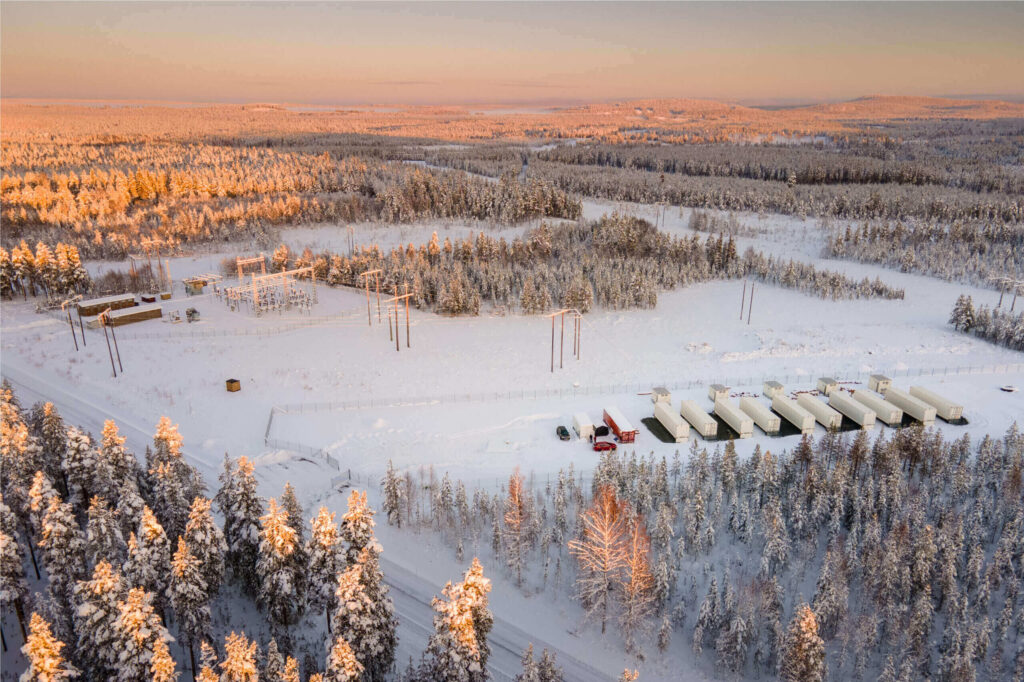
GDA data center in Örträsk, Sweden
Mining is also driving innovation in unexpected ways. Repurposing stranded gas can reduce CO₂-equivalent emissions by up to 63%, according to research. In Sweden, we’ve used the excess heat from our machines to warm greenhouses and parking lots. We’ve also adopted air-cooled systems that reduce our water usage dramatically. Unlike traditional data centers that rely on utility water 24/7, we use far fewer gallons per megawatt and can operate in places where water is delivered rather than piped in. It’s another example of how innovation in mining can deliver wider environmental wins.
We understand that data centers can still face skepticism on the energy front. But our energy strategy prioritizes renewables, including hydro, wind, solar, and flare gas, which now power a significant portion of our operations. We work with local suppliers, hire local teams, and invest in education and community programs. It’s all part of our commitment to being good neighbors and long-term partners.
As electricity demand continues to rise, driven by the growing need to power data centers, support AI development, and electrify entire industries, the grid will need smarter, more adaptable users to stay balanced and reliable. That’s the role we’re stepping into. By turning unused energy into economic value, supporting the grid in times of stress, and unlocking clean energy in overlooked places, Bitcoin mining can be a tool for progress, not a threat.
Meeting rising energy demands will require producing more power, but how that energy is produced, managed, and used will be just as important. And in that future, Bitcoin mining, when done responsibly, can play a key role. We’re building toward that future every day.