


Progress on CLARITY has stalled, and with it, a chance in 2025 to move the entire Bitcoin industry forward.
When the CLARITY Act passed the U.S. House of Representatives in July 2025, there was a sense across much of the digital asset sector that real regulatory certainty was finally within reach. A bill with bipartisan support, shaped by years of input from both agencies and industry, was expected to move quickly through the Senate. Instead, it has been delayed until 2026, caught in the kind of political gridlock that has long impacted the crypto space.
While many expected a resolution in 2025, the delay has deeper implications than simply a missed self-imposed deadline. It’s a missed opportunity to define the rules of the road for protocols, including Bitcoin, the infrastructure layer of digital finance.
At GDA, we view the CLARITY Act as a litmus test for how the U.S. government currently approaches Bitcoin and other digital asset commodities, and whether that treatment reflects their practical role in the digital economy. It would bring the regulatory certainty Bitcoin miners need to continue to innovate, grow, and thrive.
What CLARITY Would Do
CLARITY is often talked about as a way to provide clear rules for digital assets, but it goes much further than that.
It would give the Commodity Futures Trading Commission (CFTC) clear oversight of digital commodities like Bitcoin. It lays out a registration pathway for exchanges, brokers, and dealers. It would require platforms to adopt core principles like trade surveillance, customer protection, and recordkeeping. It also would prohibit the commingling of customer funds unless the customer specifically opts in.
For miners, the most important part is formal recognition of Bitcoin’s legal status. The act confirms what has long been assumed true by many regulators: Bitcoin is a commodity. That confirmation helps insulate miners from being subject to enforcement actions that are designed for completely different parts of the market.
And CLARITY would give the entire industry, miners included, a rulebook to follow.
Why Structure Matters to Miners
Bitcoin mining is a long-term infrastructure business. It involves building data centers, forming energy partnerships, hiring local teams, and investing capital with multi-year horizons. These operations are more effective when built on a foundation of clear and consistent regulation.

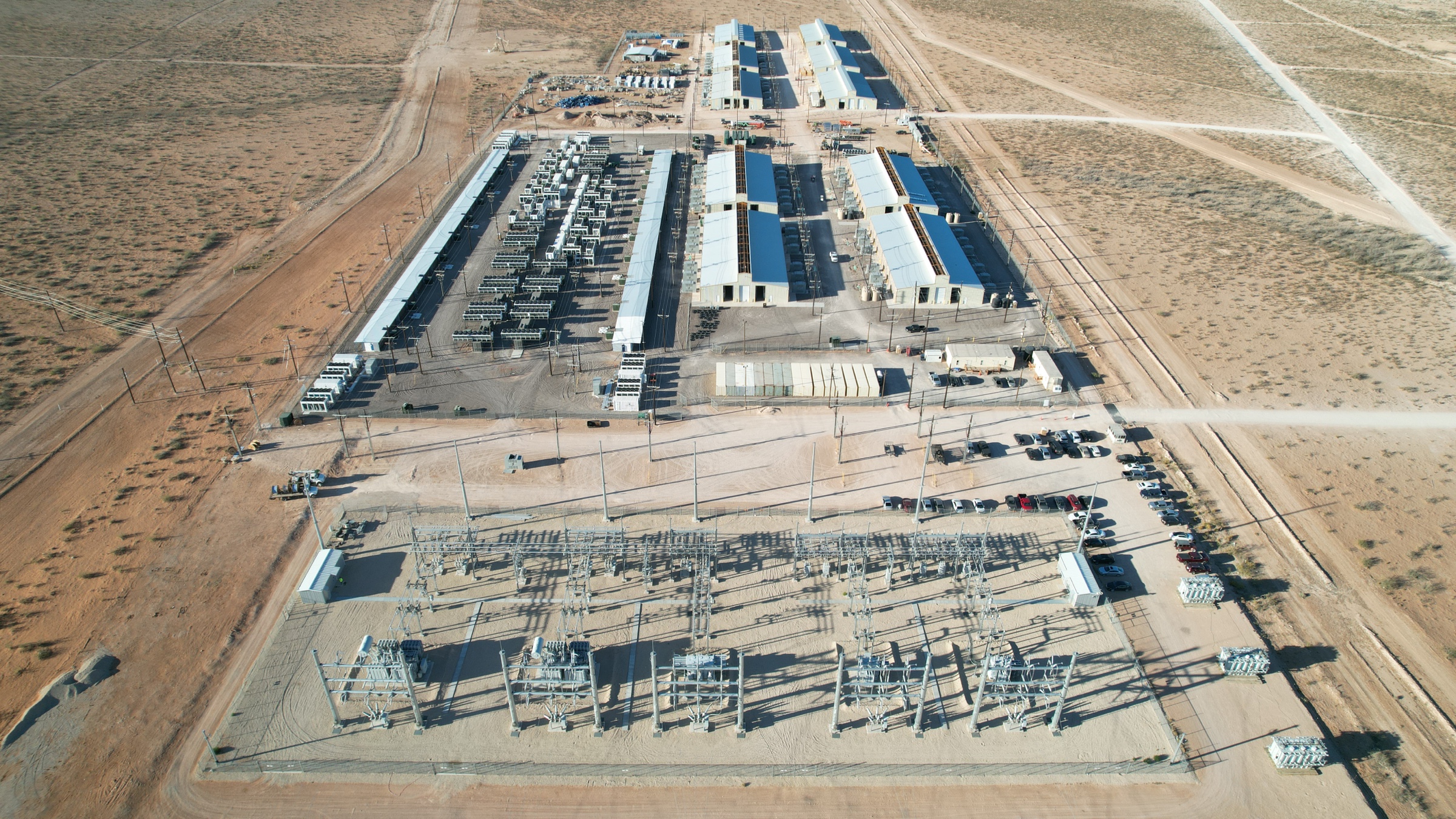
Source: Bitcoin mining machines, GDA
Today, however, Bitcoin mining often finds itself lumped into broader policy conversations around digital assets, even though its role is distinct from areas like token issuance or decentralized finance.
CLARITY addresses that misalignment. It provides legal certainty around Bitcoin’s status, reinforcing that mining is not a financial service, but an industrial process supporting a decentralized network. That distinction matters.
Unlocking Growth for the Sector
CLARITY would not only bring stability. It would unlock real potential for the mining sector.
A clearly defined regulatory framework means miners can plan, hire, and build with more confidence. Capital providers would face fewer unknowns when deciding to back new mining projects. Greater regulatory clarity would also give hosting providers more confidence to expand, knowing that clearer rules can help attract new participants and strengthen the overall Bitcoin network through increased hash rate.
With fewer regulatory friction points, compliance costs could come down. Access to basic financial services could improve. And perhaps most importantly, CLARITY could make it easier for more traditional companies to enter the mining space through joint ventures, infrastructure partnerships, or direct investment.
All of these growth levers strengthen the network. They also support jobs, energy innovation, and local economic development in the regions where mining takes place.
The Vision Is Delayed, Not Lost
It’s disappointing to see CLARITY stall in 2025. But the delay doesn’t change what the bill represents. CLARITY remains the most comprehensive proposal for bringing consistent rules to Bitcoin and the broader digital commodity sector.
The mining industry is ready for those rules. It is already used to operating under tight margins, capital discipline, and infrastructure constraints. The bellwethers of the sector understand the need for responsible practices and long-term planning.
What the industry needs now is regulatory alignment to match the way it already operates.
Miners have a role to play in making that case. While the sector’s voice has historically been less prominent in Washington, there is growing opportunity to engage more actively. CLARITY is a policy conversation worth staying engaged in, because the rules being written today will shape the industry for years to come.
A resilient Bitcoin network depends on strong miners. And strong miners depend on clear, consistent rules.